
Balance training
Improving balance, stability, and confidence during standing and movement
Balance training focuses on improving balance, stability, and confidence during standing and movement. This training can be part of vestibular rehabilitation but can also be applied for general balance problems.
Make an appointmentWhat is balance training?
Balance results from coordination between the vestibular organ, eyes, muscles, joints, and brain. When one component functions less well, a person may feel unstable.
Balance training helps these systems work together better.
Balance
System coordination
Vestibular organ, eyes, muscles, and brain work together.
Instability
Reduced function
Reduced function of one component can cause instability.
Confidence
Safer movement
Training helps build confidence in movement.
When is balance training applied?
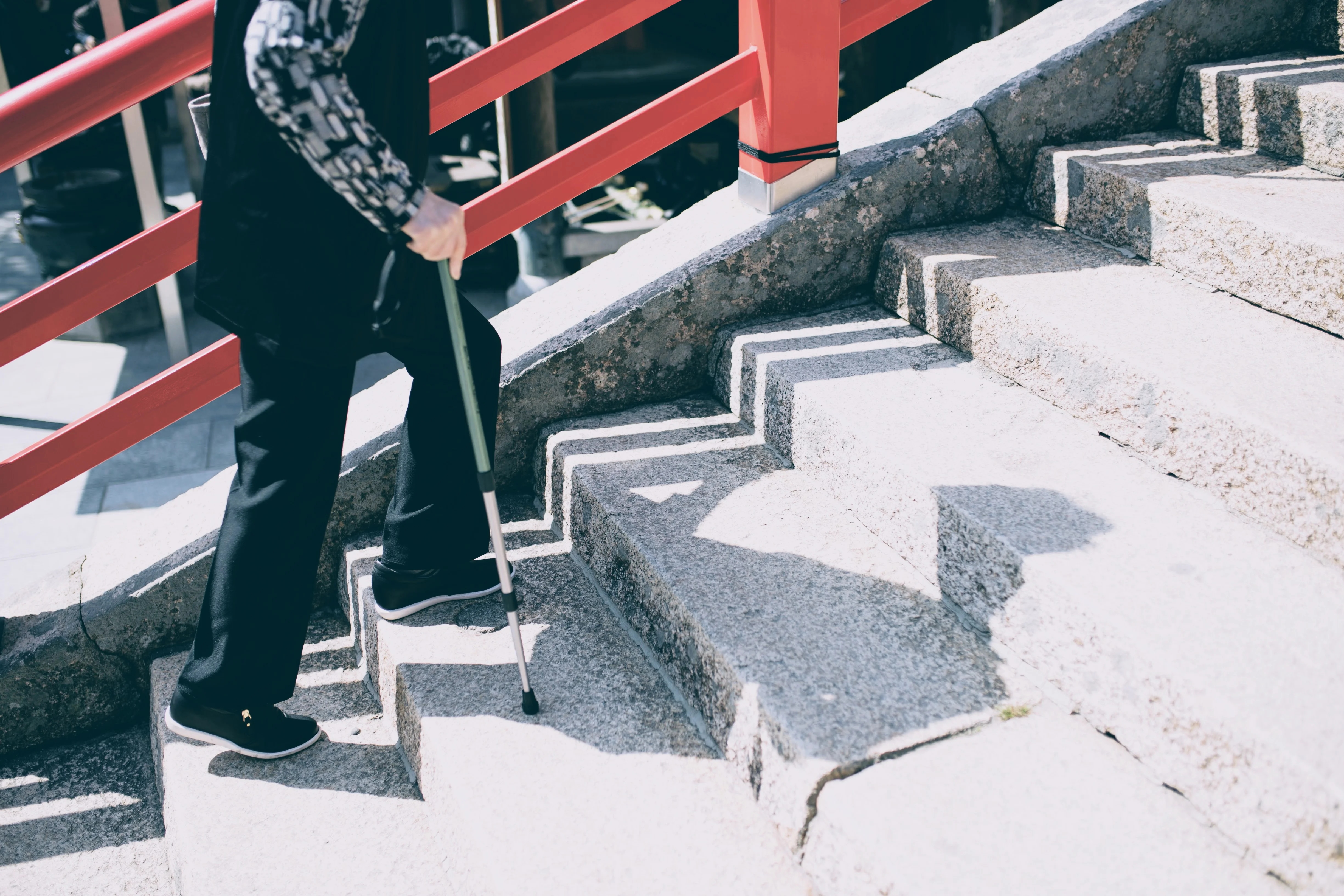
Balance training can be applied for instability during standing or walking, unsteady walking, balance problems after a vestibular condition, presbyvestibulopathy, increased fall risk, and reduced confidence in movement.
What does balance training involve?
During training, exercises are performed that challenge balance and stability, tailored to the patient's level.
Examples include standing with a narrow base of support, maintaining balance on different surfaces, weight shifting, walking with head movements, and dual-task exercises.
Exercises are gradually made more difficult. Safety is always the priority.

Make an appointment
Unsure whether balance training could help you? An initial assessment can help.