
Vestibular paroxysmia
Vestibular paroxysmia is a condition in which short, repeated attacks of dizziness can occur. The attacks usually last seconds to minutes and can occur several times a day.
Key points
- Vestibular paroxysmia is a condition in which the vestibular nerve becomes irritated.
- The irritation is often caused by contact with a small blood vessel.
- Attacks usually last seconds to minutes and can occur several times a day.
- During an attack, a feeling of spinning or movement may occur.
- Physical therapy does not treat the cause but can help identify the symptom pattern.
Symptoms
- Short, sudden attacks of dizziness.
- Repeated attacks throughout the day.
- Instability during an attack.
- Sometimes a sensation of movement or spinning.
Causes
- Vestibular paroxysmia is caused by irritation of the vestibular nerve, often due to a blood vessel pressing against the nerve.
- This causes brief disturbances in the nerve signals to the brain.
Treatments
- Physical therapy usually does not focus on the cause of vestibular paroxysmia itself.
- A physical therapist can help identify the symptom pattern and distinguish it from other causes of dizziness.
What is vestibular paroxysmia?
Vestibular paroxysmia is a condition in which the vestibular nerve becomes irritated, often by contact with a small blood vessel. This can cause brief disturbances in the signals from the balance system to the brain.
Nerve irritation
Vestibular nerve
The nervus vestibularis becomes irritated, often by a blood vessel.
Brief episodes
Seconds to minutes
Attacks are short and can occur several times a day.
Recurring
Daily attacks
Attacks can occur spontaneously or be triggered by head movements.
How is vestibular paroxysmia diagnosed?
The diagnosis is usually made by a neurologist or ENT specialist. This is based on the symptom pattern and sometimes additional testing.
Because the symptoms can resemble other vestibular conditions, careful assessment is important.
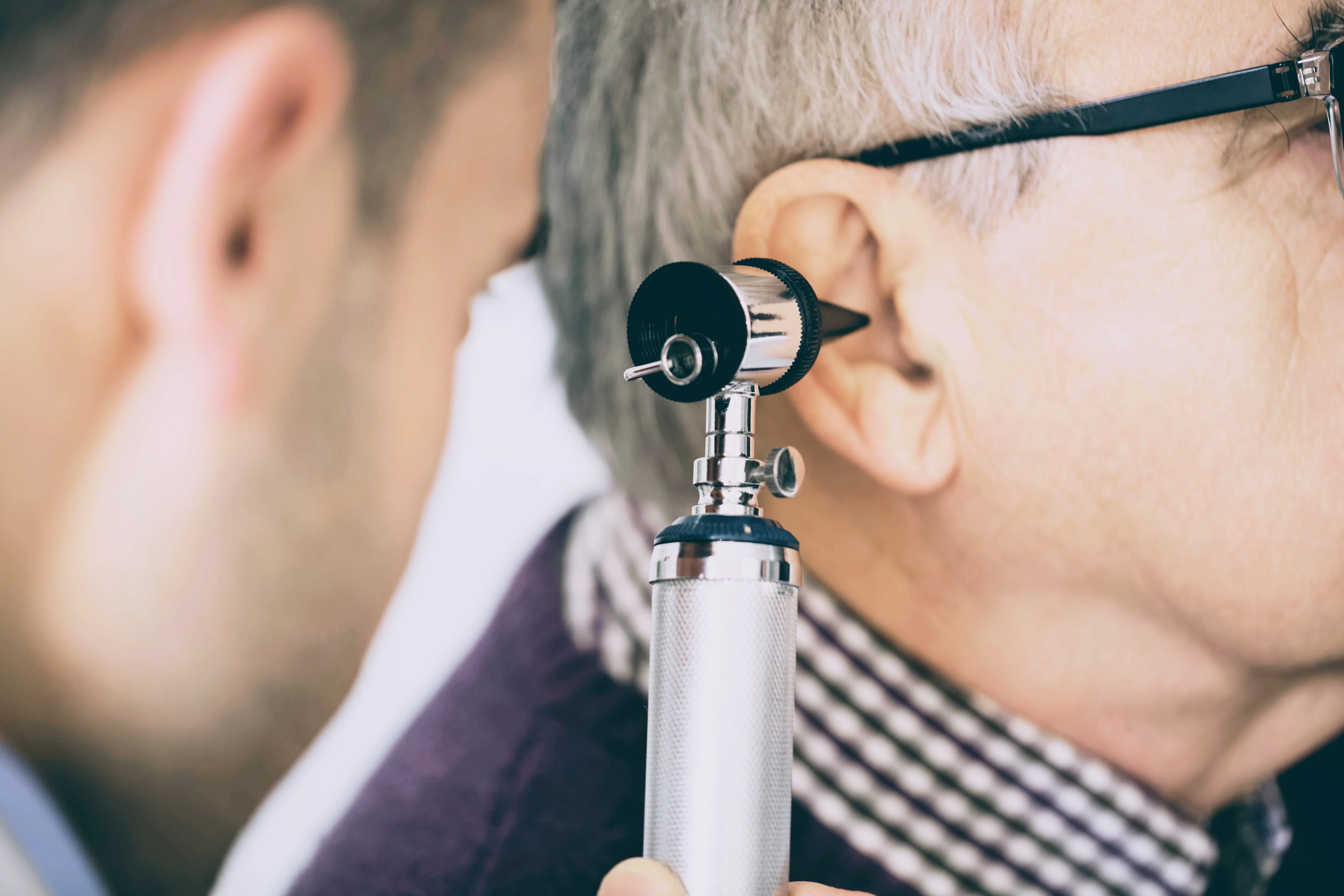

Would you like to have your symptoms assessed?
An initial assessment can help determine whether your symptoms fit vestibular paroxysmia and which next steps may be appropriate.