
Presbyvestibulopathy
Age-related dizziness
Presbyvestibulopathy is an age-related decline in the function of the balance system. This can lead to symptoms such as instability, unsteady walking, or a light-headed feeling, especially during movement.
Key points
- Presbyvestibulopathy is an age-related decline in the function of the balance system.
- Symptoms usually consist of instability and unsteady walking, not rotational vertigo.
- Symptoms can develop gradually and slowly increase over time.
- People may have more difficulty walking in the dark or on uneven surfaces.
- Other factors such as reduced muscle strength and vision changes may also play a role.
- Physical therapy can help improve balance, stability, and confidence in movement.
Symptoms
- Unsteady walking or a feeling of instability.
- A light-headed or floating sensation.
- Difficulty walking in the dark.
- Balance problems on uneven surfaces.
- More difficulty with quick movements or turning.
- Reduced stability when standing up or walking.
Causes
- Presbyvestibulopathy is caused by age-related changes in the balance system.
- Both the vestibular organ itself and the processing of balance information in the brain can become less efficient.
- Reduced muscle strength can contribute to balance problems in older age.
- Changes in vision and reduced sensitivity in the feet or joints may play a role.
- Neurological conditions or reduced mobility can further affect balance.
Treatments
- Balance training can help improve stability.
- Exercises focused on strength and mobility can be part of treatment.
- Vestibular rehabilitation can be used when the vestibular organ is involved.
- For older patients, reducing fall risk and improving safe movement are also important goals.
What is presbyvestibulopathy?
Presbyvestibulopathy is an age-related decline in the function of the balance system. Balance is regulated by coordination between the vestibular organ, vision, the sensation in muscles and joints, and the brain.
As people age, these systems can become less efficient, making it more difficult to maintain balance.
Age
Reduced function
The balance system gradually becomes less efficient.
Vision
Important for balance
Difficulty walking in the dark or on uneven surfaces.
Fall risk
Safety
Reducing fall risk is an important part of treatment.
How is presbyvestibulopathy assessed?
The assessment examines various components of the balance system and factors that can affect balance and stability.
This includes stability during standing and walking, balance during movements, responses to head movements, visual stability, and other factors affecting balance.
.webp)
What can physical therapy offer?
Physical therapy can help improve balance, stability, and confidence in movement.
Treatment may include balance training, stability training during walking and movement, strength and mobility exercises, and vestibular rehabilitation.
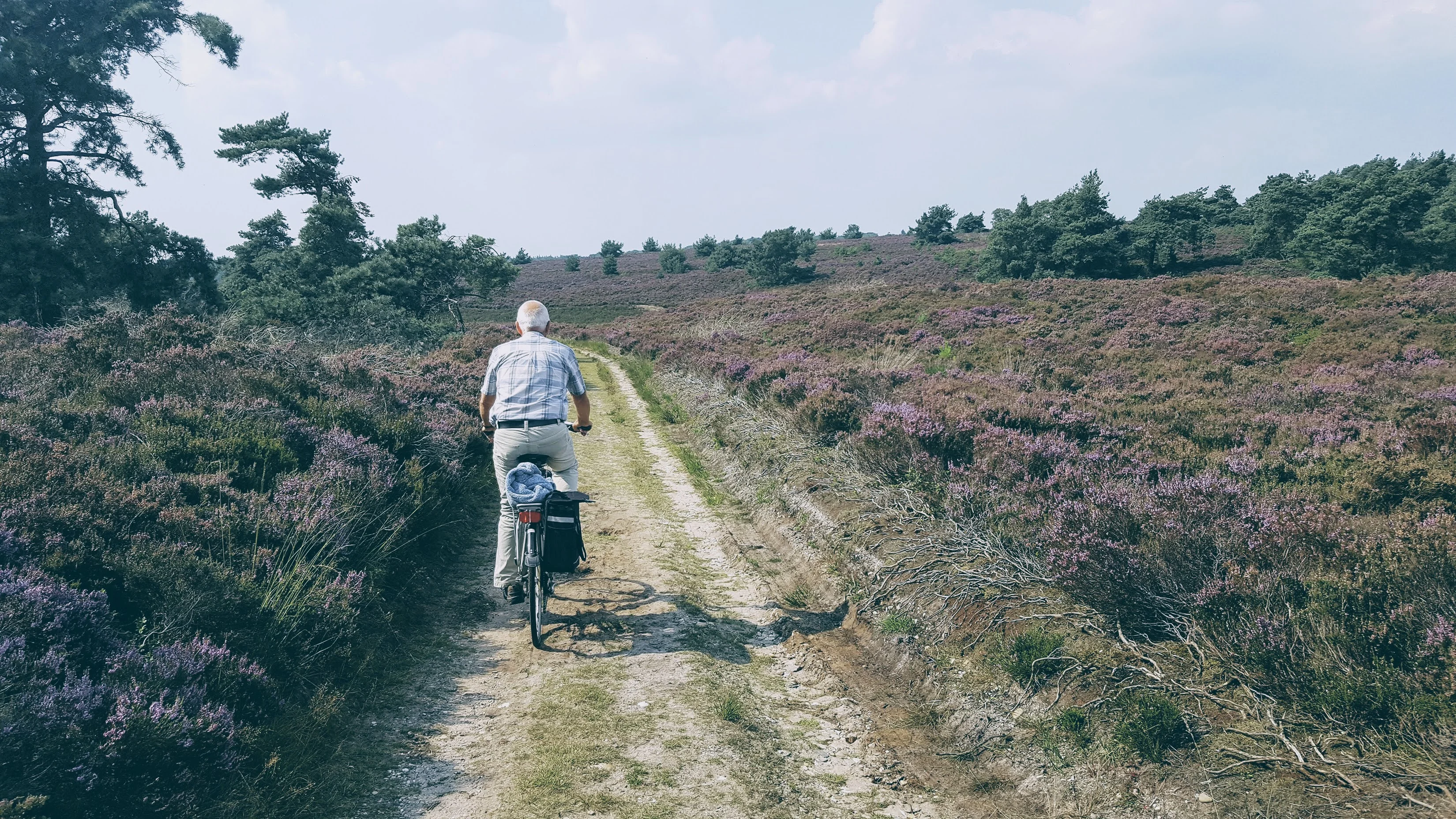
Balance problems in combination with other conditions
Balance problems in older age can sometimes occur together with other conditions that affect movement and stability.
Examples include neurological conditions such as Parkinson's disease, reduced mobility, or other factors that increase the risk of falls.
In these situations, a combined approach may be needed that addresses balance, mobility, strength, and safe movement.
Would you like to have your balance assessed?
An initial assessment can help evaluate your balance, stability, and fall risk, and develop a suitable treatment plan.